Get Septic Dye Testing in Gwinnett County, GA
Septic dye testing services help Gwinnett County property owners identify drain field issues, diagnose septic system problems, and ensure proper functioning with the help of experienced local contractors.
Septic dye testing services are an important step for property owners in Gwinnett County, GA, who are planning improvements or evaluating their existing septic systems. This process helps identify potential leaks or failures in the system, ensuring that property development or renovations proceed smoothly and in compliance with local regulations. By exploring available options, property owners can compare different service providers to find the right fit for their specific needs, gaining confidence in the integrity and functionality of their septic systems.
For those considering land development, property upgrades, or routine system assessments, connecting with trusted local contractors who specialize in septic dye testing can provide valuable insights. These professionals bring practical experience in assessing septic system performance, helping property owners make informed decisions about their land and infrastructure. Continuing to explore your options can lead to a clearer understanding of the services available and the best solutions for your property’s septic needs.
- Septic Dye Testing - Needed when homeowners suspect a leak or malfunction in their septic system in neighborhoods around Gwinnett County, GA.
- Septic Dye Testing - Useful for property transactions to verify septic system integrity before buying or selling a home.
- Septic Dye Testing - Recommended when there are unexplained odors or slow drains in residential areas like Lawrenceville or Suwanee.
- Septic Dye Testing - Appropriate for identifying issues in systems that haven't been tested or inspected recently in suburban communities.
- Septic Dye Testing - Essential when inspecting septic systems after repairs or modifications to ensure proper function.
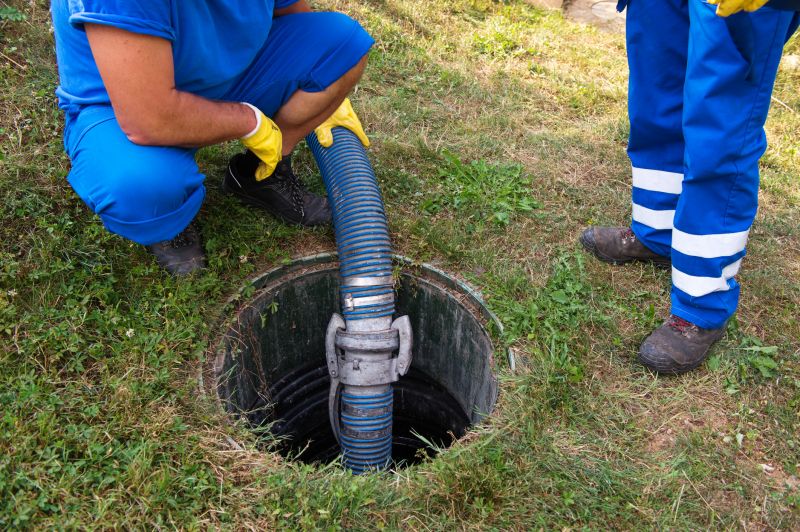
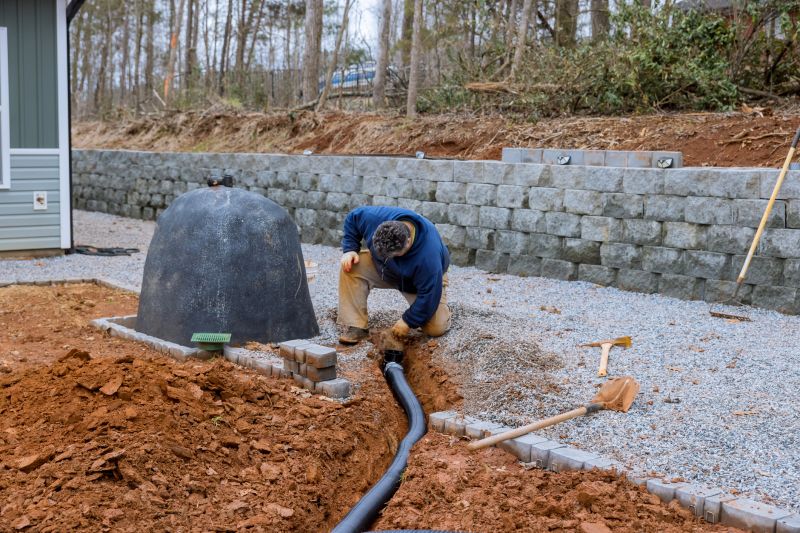
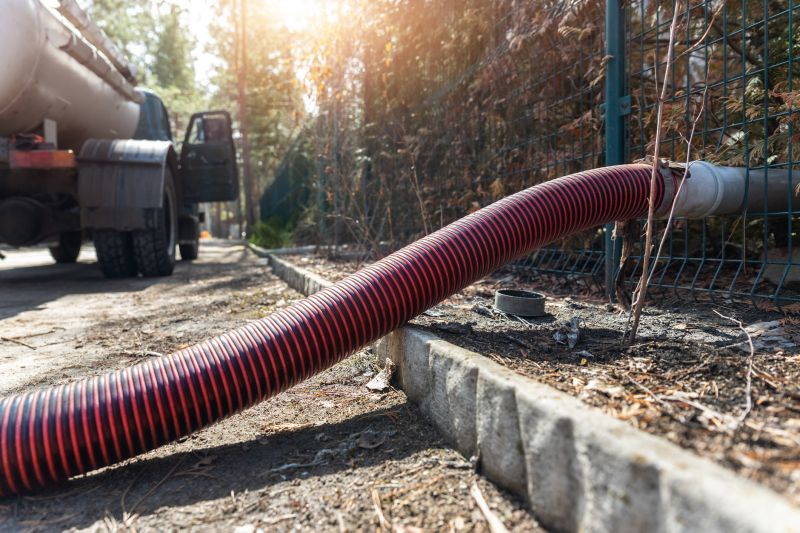
Septic dye testing is a practical service used to evaluate the condition and functionality of a septic system. The process involves introducing a safe, biodegradable dye into the septic tank or distribution system and then monitoring the flow and movement of the dye through the system. This helps determine whether the septic system is draining properly, if there are any leaks, or if there are blockages that could cause wastewater to back up or surface on the property. Septic dye testing provides a clear, visual way to assess the health of a septic system without invasive procedures, making it a valuable tool for homeowners concerned about system performance.
This service is especially helpful when diagnosing common septic system problems, such as slow drainage, foul odors, or unexplained wet spots on the yard. It can reveal issues like cracked or damaged pipes, improper installation, or system overloads that might not be obvious without testing. Septic dye testing is also useful during property transactions, helping buyers and sellers confirm the condition of a septic system before completing a sale. Additionally, it can assist in locating a septic tank or identifying areas where effluent may be surfacing, which is important for maintenance or repair planning.
Properties that typically benefit from septic dye testing include homes with on-site wastewater systems, especially those in rural or semi-rural areas where municipal sewer connections are unavailable. It is commonly used on residential properties, small commercial sites, and even some multi-family dwellings that rely on septic systems. Homeowners who notice issues like persistent odors, backups, or soggy spots in their yard might consider this testing to identify the source of problems early. It’s also a recommended step before installing new landscaping or making alterations that could impact the septic system.
Overall, septic dye testing is a straightforward and effective method for assessing septic system performance and preventing costly repairs. Local service providers who specialize in this work can help determine if a system is functioning properly or if maintenance or repairs are needed. Property owners in Gwinnett County, GA, and surrounding areas can contact experienced contractors to schedule a septic dye test and gain peace of mind about their wastewater management system’s condition.
The overview below groups typical Septic Dye Testing projects into broad ranges so you can see how smaller, mid-sized, and larger jobs often compare in Gwinnett County, GA.
In many markets, a large share of routine jobs stays in the lower and middle ranges, while only a smaller percentage of projects moves into the highest bands when the work is more complex or site conditions are harder than average.
Basic Dye Testing - typical costs for routine septic dye tests range from $250 to $600 for many smaller jobs. Most standard inspections fall within this middle range, depending on site conditions. Fewer projects require more extensive testing that can exceed $600.
Comprehensive System Evaluation - more detailed assessments, including multiple tests or additional inspections, often cost between $600 and $1,200. These services are common for homes with complex or older septic systems and tend to be on the higher end of the typical range.
Large or Complex Projects - larger, more involved dye testing or troubleshooting can reach $1,200 to $2,500 or more. Such projects are less frequent but necessary for systems with multiple tanks, advanced features, or difficult access.
Full System Replacement - complete replacement or extensive repairs after dye testing can range from $3,000 to over $10,000. These are less common and usually involve significant work, depending on system size and site challenges.
Actual totals will depend on details like access to the work area, the scope of the project, and the materials selected, so use these as general starting points rather than exact figures.
Drain Field Inspection - Professionals use dye testing techniques to evaluate the condition of drain fields and identify potential issues with wastewater flow.
Septic System Pumping - Pumping services often require similar planning and access to septic tanks, ensuring proper maintenance and system longevity.
Septic Tank Repair - Repair projects involve diagnosing system problems, which can be similar to dye testing for leak detection and system failures.
Leach Field Replacement - Replacing or installing leach fields involves understanding soil absorption and system layout, akin to dye testing procedures.
Septic System Installation - Installing new septic systems requires site assessment and planning comparable to dye testing for optimal placement.
Wastewater System Evaluation - Comprehensive evaluations of wastewater systems often incorporate dye testing to pinpoint flow and leak issues.
When evaluating contractors for septic dye testing services, experience with similar projects can be a valuable factor to consider. Homeowners should look for service providers who have a proven track record in performing dye testing in residential settings similar to their own. An experienced contractor is more likely to understand the nuances of local septic systems and can help ensure the testing is thorough and accurate. While the site introduces homeowners to local options, it’s important to verify that potential service providers have the relevant background to handle the specific requirements of septic dye testing in Gwinnett County or nearby areas.
Clear written expectations are essential for a smooth process and satisfactory results. Homeowners should seek out contractors who can provide detailed descriptions of their services, including what the dye testing entails, what homeowners need to do to prepare, and how the findings will be communicated. Transparent and well-documented expectations can help prevent misunderstandings and ensure that everyone is aligned on the scope of work before the project begins. The site helps connect homeowners with reputable service providers, but it’s up to the homeowner to review and confirm that the provider’s service outline matches their needs.
Good communication and reputable references are key indicators of reliable septic dye testing providers. Homeowners should inquire about a contractor’s reputation within the community and seek references or reviews from previous clients who had similar work done. Open and responsive communication from the service provider can make the entire process more manageable, from initial questions to receiving results. While the site offers a way to compare local options, it’s advisable for homeowners to contact potential contractors to assess their professionalism and gather insights from past clients, ensuring they select a provider who will handle the project with clarity and integrity.
Property owners in Gwinnett County, GA use Septic Dye Testing services for practical projects around their homes and businesses. This guide focuses on everyday jobs and straightforward project options.
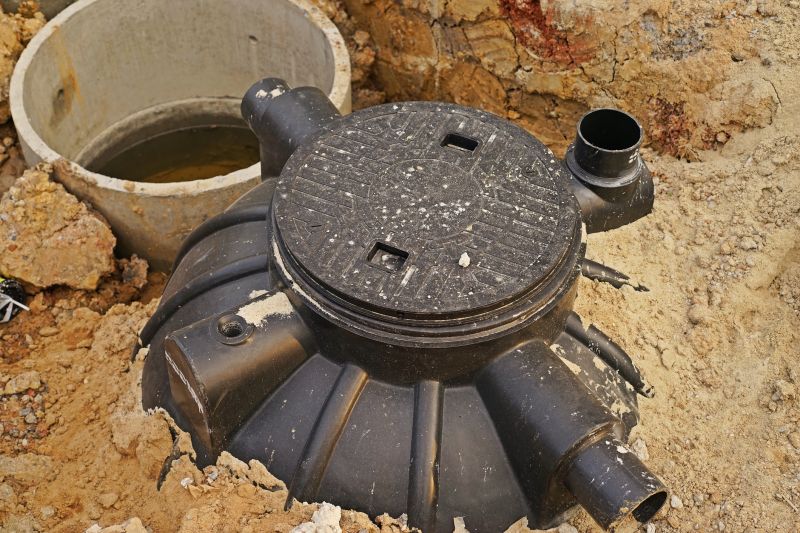
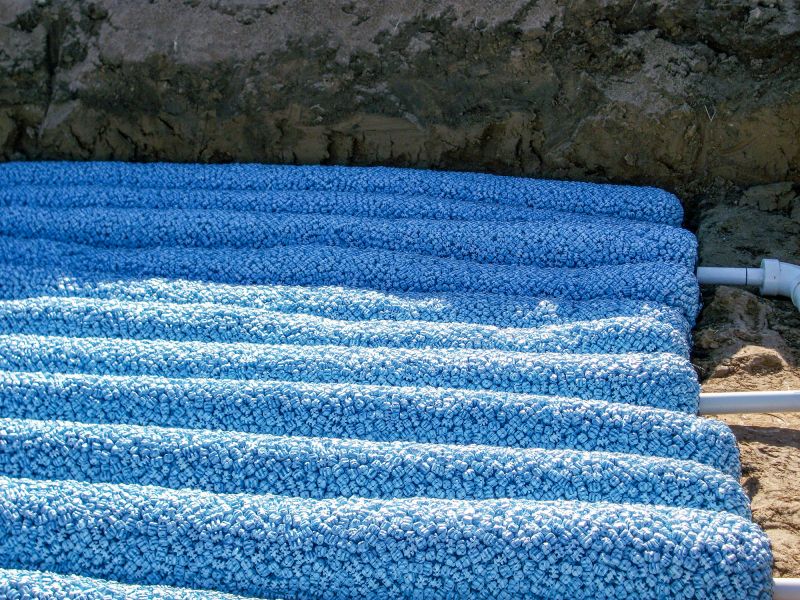
Septic dye testing services are often needed when property owners in Gwinnett County, GA, are buying or selling a home with a septic system. This simple test helps determine if the system is functioning properly by introducing a safe dye into the septic tank and checking for leaks or blockages. Homeowners may also seek this service if they notice unusual odors, slow drains, or backups that could indicate a problem with the septic system. Local contractors can perform these tests efficiently, providing peace of mind for those managing property transactions or addressing system concerns.
Additionally, property owners might look for septic dye testing when planning renovations or additions that could impact the septic system’s capacity or placement. It’s a useful step to ensure the system is in good condition before making significant changes to a property. Local service providers can assist with these inspections, helping residents in Gwinnett County verify their septic systems are operating as they should, and avoid costly repairs or issues down the line.
What is septic dye testing used for? Septic dye testing helps determine if wastewater is leaking from the septic system into the surrounding soil or drain field, indicating potential system issues.
How do local contractors perform septic dye testing? They introduce a safe dye into the septic tank and observe its movement to identify leaks or blockages in the system.
Is septic dye testing suitable for new or existing septic systems? Yes, it can be used for both new installations to verify proper functioning and existing systems to diagnose problems.
What are common signs that septic dye testing might be needed? Signs include persistent odors, pooling water or lush vegetation near the drain field, or slow draining fixtures.
How can I find local service providers for septic dye testing? You can contact local contractors who specialize in septic services to compare options and schedule testing.
Septic System Inspection - Property owners can use dye testing to verify if their septic system is functioning properly before hosting events or planning renovations.
Drain Field Evaluation - Homeowners might perform dye testing to identify potential drain field issues that could affect lawn health or cause odors.
Troubleshooting Odors or Backups - Dye testing can help pinpoint whether septic system problems are causing unpleasant smells or slow drains in the home.
Pre-Purchase Property Checks - Buyers can request dye testing as part of a home inspection process to assess the condition of the septic system before purchasing.
If you are thinking about Septic Dye Testing for a property in Gwinnett County, GA, this guide is meant to help you understand the work, the typical project types, and how different options might fit your plans.
When you are ready, you can use the quote form on this page to share a few details about your project. From there, local pros can review the basics and respond with options that match what you have in mind.